
Original Tibetan Dog Chew (Small) - 24 Sticks


Regular price
$59.99 USD
Sale price
$59.99 USD
Regular price
Unit price
per
Shipping calculated at checkout.
Product Details
Product Details
Size Guide
Size Guide
Additional Benefits
Additional Benefits
Guaranteed Analysis
Guaranteed Analysis
Feeding Instruction
Feeding Instruction
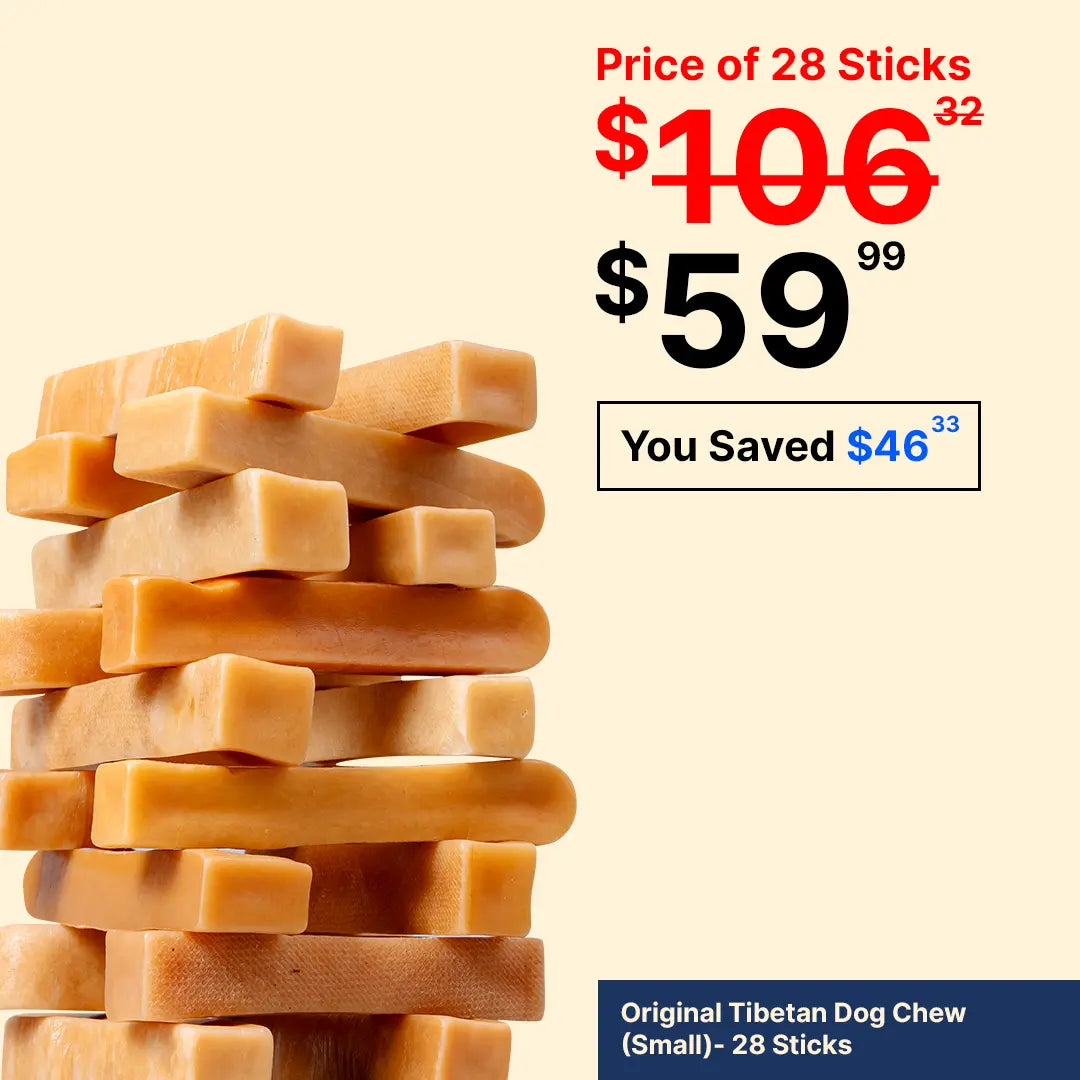


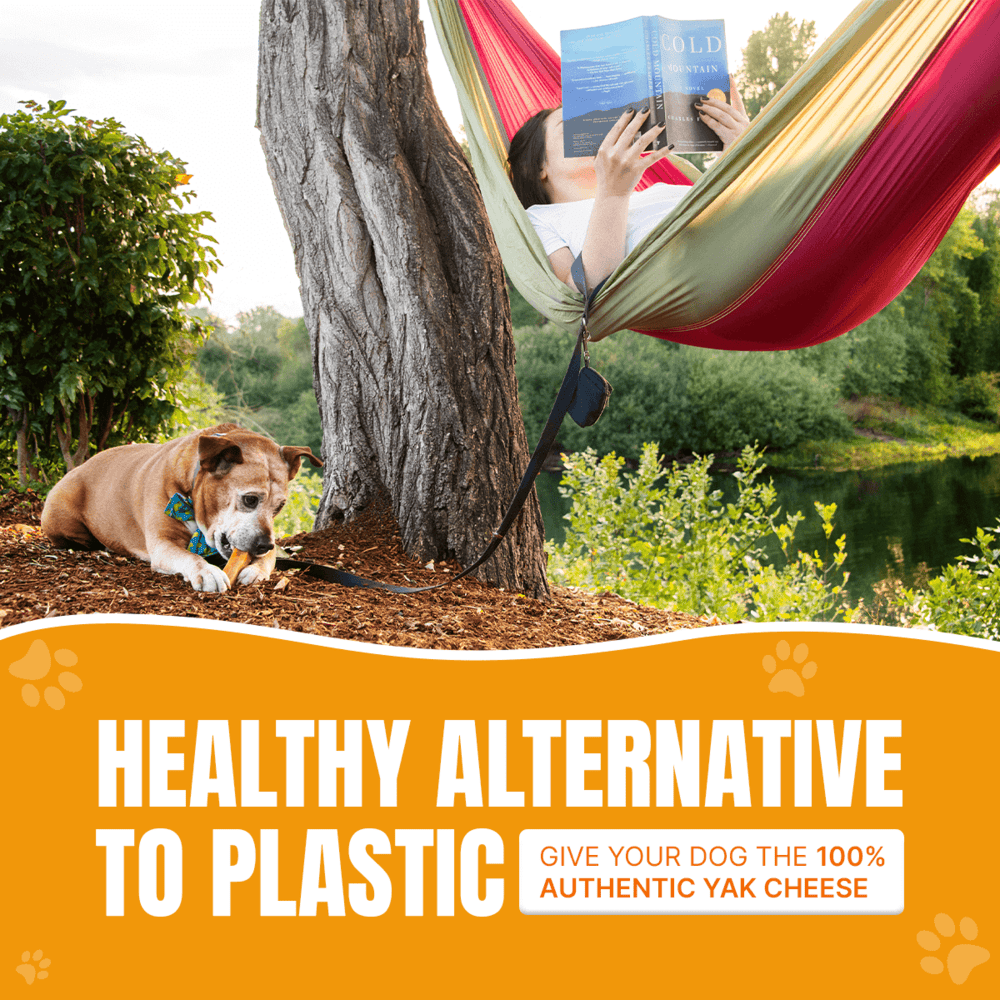

-

100% Natural
-

Chemical Free
-

Gluten Free
-

Lactose Free
-

Grain Free


Loved by Dogs, Trusted by Parents


Let customers speak for us
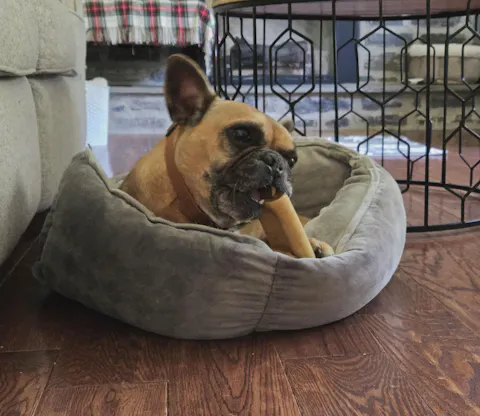
These chews are the highest quality. I order them in bulk for my Frebchie and they're his favorite.
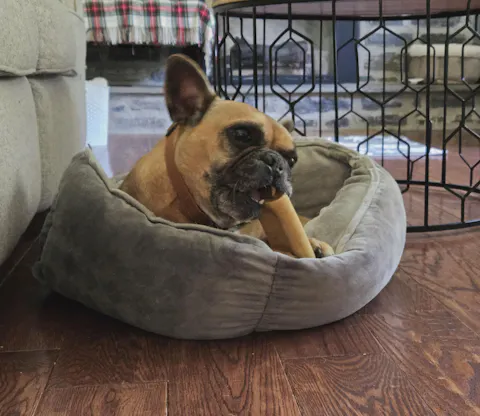
Great buying experience thanks again
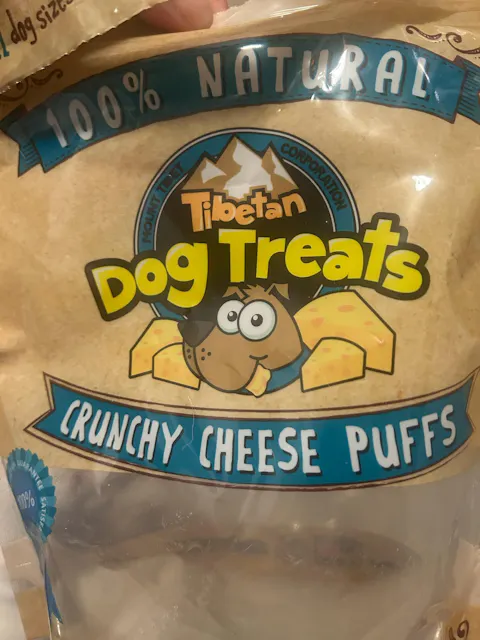
I love this store. I order consistently and all the products have been great. My dogs love them!
My Alfie loves them. They make him extremely gassy though
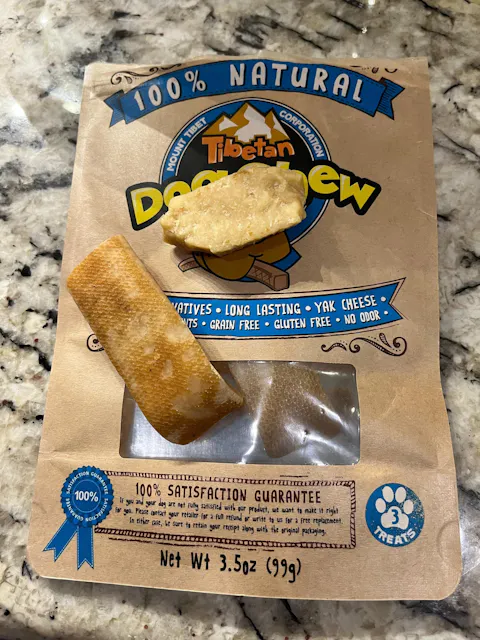
Dog loved chewing on the yak stick, he works on several at a time ☺️
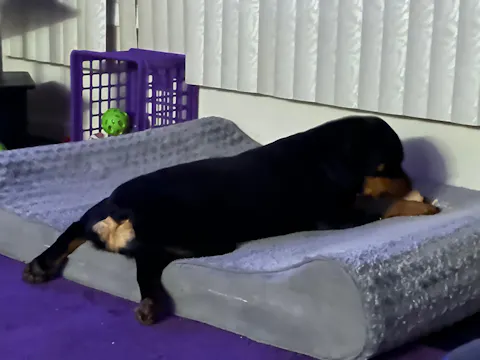
PERFECT
We LOVE these YAK's and this is the first time we even discovered them. With all of the rave about feeding people good food, not toxic and over processed we were so concerned what they were doing for our pets to keep them safe. When I started to ask CahtGPT for healthy dog chews, we hate rawhides and only want natural digestible options these are PERFECT. The from start to end with the chewing down to the smallest piece to the magic surprise consistency out of the microwave and loud crunchy chomping is the best we laugh in delight right with our Rottweiler.
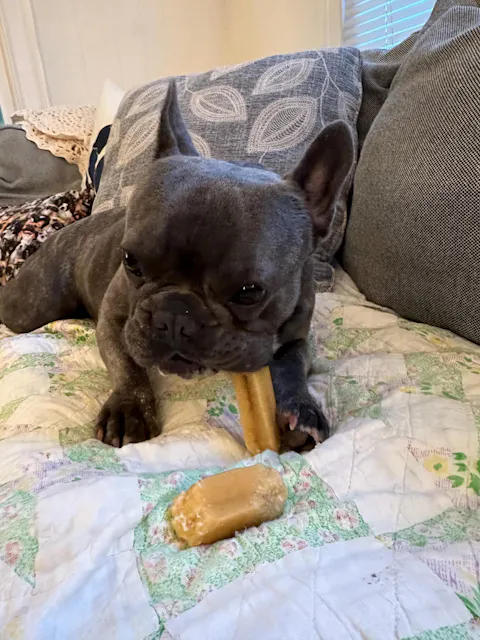
Great seller! Great product. My dog LOVES these!
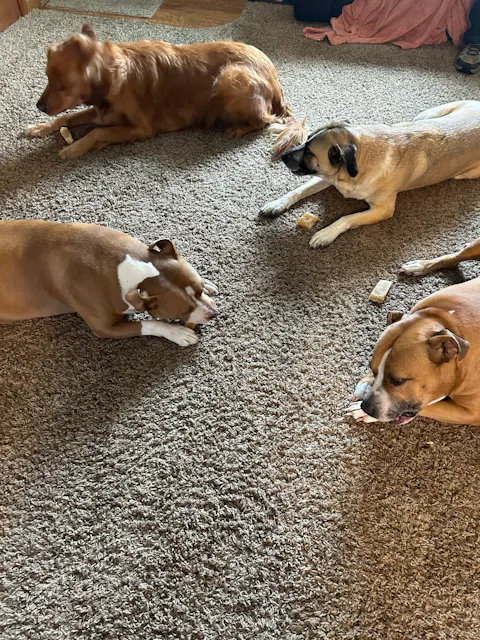
My dogs love these!! My little pit bull will chew for 3 hours straight. We say he’s in a ‘cheese trance.’ 🤣🤣
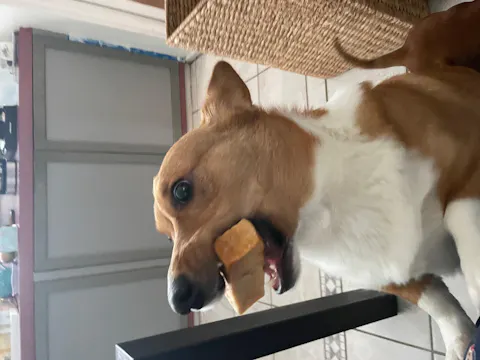
Great quality item, which accurately matched the package description. I and my pooches love this product. It keeps them occupied for over an hour at a time, and I have power chewers.
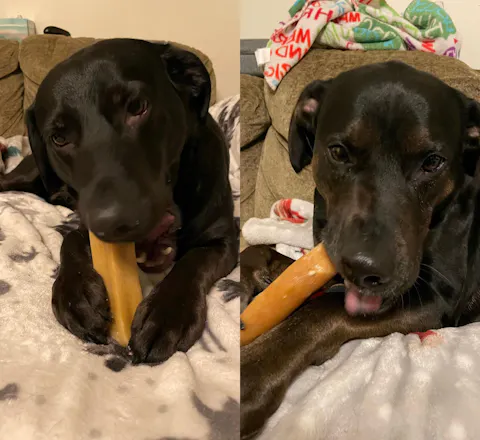
My boys love them! I got the jumbo size and although pricey so worth it for the amazing quality. Will definitely order again!

Great quality, but each dog is different. My 4 month old puppy likes them for about 10 minutes. Then he drops it, but does come back later. It is very hard, and each one lasts several days. He is happily chewing on it as I write this. My 4 year old Aussies ignores them totally.
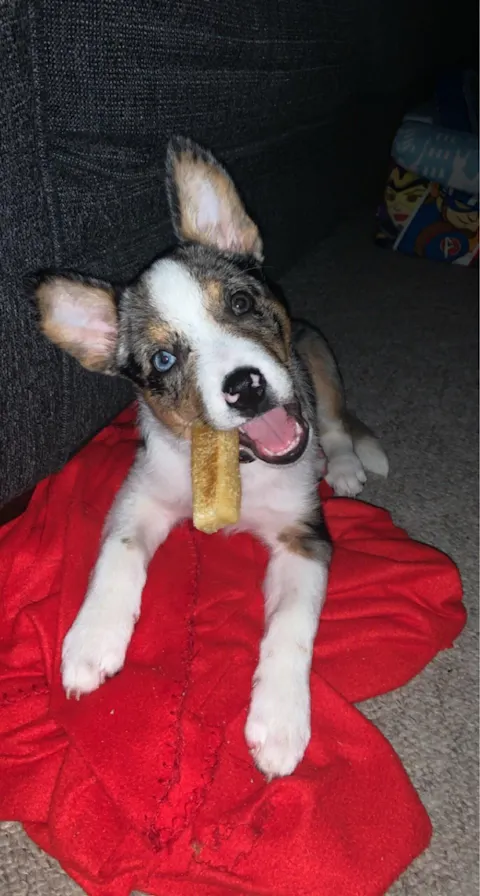
My Texas heeler is 3 months old. He is a intense chewer, including trying to chew on my son. I saw a lot of people recommending these chews on a Heeler page Im part of so I thought I’d give them a try. I do not regret it one bit! He loves it. He’s been chewing on it for 2 hours so far and barely has made a dent in it. I will definitely be back for more!

My Dachshund Loves them
My dog absolutely loves them. Each yak chew lasts for several days. I puffed the last small piece in the microwave for a minute and gave to my dog. He loves it.

My Pittie loves these dog chews
My Pittie loves these dog chews, will only eat these. She loves when i imicrowave them for puffs. Keeps her busy.

My Pitties LOVE these!!!
My dogs LOVE these!!! It really helps calm on of my super high energy Pit Bulls. She is happy as a clam for an hour in her crate with one of these.


Helps in Supporting Dental Hygiene
Encourages Mental Engagement
Helps in Improving Bad Breath
Supports Healthy Chewing Habits


Tibetan Dog Chew — Made in Nepal
Questions about the chew.
Answered plainly.
Four ingredients. A lot of questions. Here are the honest answers.
A Tibetan yak chew, also called a Himalayan chew or yak cheese chew, is a hard, slow-dried treat made from yak and cow milk. The recipe has been used in Himalayan villages for centuries to make churpi, one of the most durable foods ever made. As your dog gnaws, warmth and saliva gradually soften the surface so they can scrape off small, digestible pieces. That means hours of satisfying chewing instead of a treat that is gone in a minute.
Yes, four ingredients. Yak milk. Cow milk. Salt. Lime. That is it. No preservatives, no artificial flavors, no fillers, no grains, no gluten. Nothing you would need to look up. In a market full of labels that read like a chemistry textbook, we think that kind of simplicity is worth protecting and worth saying plainly.
Our chews are handmade in the foothills of Nepal's Himalayan region, by the same artisan families who have made churpi for generations. The milk comes from free-ranging yaks and cows that graze at altitude. Each batch is hand-milked, skimmed, pressed, and slow-dried using traditional methods. No shortcuts, no assembly line. We have worked with these same communities since we started in 2013. We know their names, we know their families. There is no middleman and no mystery in the supply chain.
A naturally mild, smoky cheese flavor that comes entirely from the milk. No added or artificial flavoring of any kind, and no strong odor for you to deal with either. Most dogs take to them immediately. We have watched heavy chewers who destroyed every toy in the house spend an entire afternoon happily working through a single chew.
They are made in the same tradition, yak and cow milk pressed and slow-dried, but not all chews labeled Himalayan are equal. What makes ours different: a direct supply chain with no middlemen, small batches made by the same artisan families we have worked with since 2013, and consistent quality control on both ends. When you buy from us, someone on our team knows who made your dog's chew.
They suit most dogs well, with a few things to keep in mind. Always choose the right size for your dog's weight and chewing strength. Always supervise chewing sessions, especially at first. They are not suitable for dogs with a true dairy allergy. Puppies, seniors, and very aggressive chewers need a little extra attention. See the questions below for guidance on each.
Like all hard chews such as antlers, bones, and hooves, yak chews are firm. A dog who bites straight down rather than gnawing gradually can risk chipping or cracking a tooth. A few things help: pick the right size, limit sessions to 15 to 30 minutes, and soften the chew first if needed. If your dog is making loud cracking sounds trying to bite straight through it, that is your cue to take it away. Dogs with existing dental issues should be cleared by a vet before any hard chew.
Soak the chew in warm water for a few minutes before giving it to your dog. This takes the hardest edge off the surface while keeping the chew long-lasting and is gentler on developing or aging teeth without turning it into mush. For very aggressive chewers, the 15 to 30 minute session limit is especially worth holding to.
Once it is small enough that your dog could swallow it whole, take it away. Do not let them try to finish it in one go, but do not throw it out either. Rinse the nub, microwave it on high for 45 to 60 seconds, and it puffs up into a light, crunchy cheese treat. Same four ingredients, completely different texture. Let it cool before giving it back. Puppies and senior dogs especially love these.
Yak chews are highly digestible. Unlike rawhide, they break down in the stomach rather than passing through whole. A small chewed-off piece is generally fine; a larger swallowed chunk may just take a couple of days to pass. Watch for signs of a blockage: repeated vomiting, lethargy, loss of appetite, or no stool for 24 or more hours. If you see any of those, call your vet. Choosing the right size and supervising chew sessions are the best ways to avoid this entirely.
Yes, fully digestible. Rawhide is processed animal skin that the stomach cannot break down easily and is a common cause of blockages. Yak chews are compressed dried milk and dissolve naturally. Small chewed pieces typically pass within a day. Digestive issues are rare and usually only happen if a dog eats too much too quickly.
Often, yes. The curing process breaks down most of the lactose, so dogs with mild sensitivities frequently tolerate yak chews without any issue. That said, dogs with a true dairy allergy should avoid them. If you are not sure, introduce a small piece and watch how your dog responds over the next 24 hours before giving a full chew.
The firm, abrasive texture works like a natural toothbrush and scrapes away plaque and tartar buildup as your dog gnaws. Extended chewing also boosts saliva production, which helps keep gums healthy and breath fresher. It is not a replacement for proper dental care, but it is a meaningful daily contribution to it.
We recommend yak chews for dogs around 6 months and older, once adult teeth have fully come in. For younger puppies or seniors with dental concerns, soften the chew in warm water first and supervise closely. When in doubt, check with your vet.
One chew at a time, around 1 to 2 per week for most dogs. Because they are calorie-dense, treat them as an occasional reward rather than a daily snack. Keep individual chewing sessions to 15 to 30 minutes, especially with aggressive chewers and dogs with dental sensitivities.
It depends on your dog's size and how hard they chew. Most dogs get several hours to several days from a single chew. We built ours to be denser and harder than most alternatives, specifically for dogs that go through every other chew in minutes. Matching the chew size to your dog is the biggest factor.
Yes. Yak chews are a standalone treat and do not interact with food, supplements, or most medications. Just factor the calories into your dog's daily intake. If your dog is on medication or has a specific health condition, check with your veterinarian first as a precaution.